
Introduction
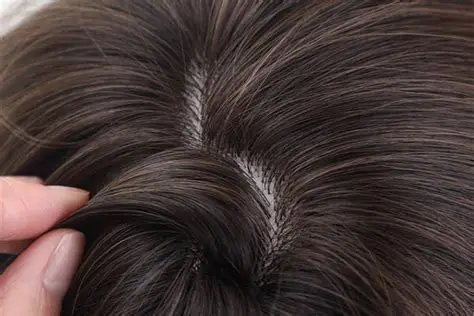
Hair porosity is one of the most important yet least understood factors in hair care. It determines how well your hair absorbs and retains moisture, which directly affects which products will work best for you. Understanding your hair porosity level can transform your entire hair care routine from guesswork into science.
What Is Hair Porosity?
Hair porosity refers to your hairs ability to absorb and retain moisture. It is determined by the condition of your cuticle layer the outer protective shell of each hair strand. When the cuticles are tightly closed, hair is considered low porosity. When they are raised or damaged, hair is considered high porosity. Medium porosity falls somewhere in between.
Low Porosity Hair
Low porosity hair has tightly bound cuticles that lie flat, making it resistant to moisture absorption. This hair type often takes a long time to get fully wet in the shower and takes equally long to dry. Products tend to sit on top of the hair rather than penetrating. The best products for low porosity hair include lightweight humectants like glycerin and aloe vera, protein-free conditioners, and water-based styling products. Avoid heavy butters, oils, and silicones that create buildup.
Medium Porosity Hair
Medium porosity hair has slightly raised cuticles that allow for balanced moisture absorption and retention. This is considered ideal hair porosity. It holds styles well, accepts chemical treatments predictably, and responds to most products without issues. Medium porosity hair benefits from regular moisturizing treatments and occasional protein treatments to maintain balance.
High Porosity Hair
High porosity hair has significantly raised or damaged cuticles that allow moisture to enter quickly but also escape rapidly. This hair type is prone to frizz, tangles, and breakage. It dries quickly after washing but may feel dry and brittle soon after. The best approach for high porosity hair is to use leave-in conditioners, oils like coconut and avocado that penetrate the shaft, and heavier creams and butters that seal the cuticle. Protein treatments are also beneficial for filling in gaps in the cuticle layer.
How to Test Your Hair Porosity
The simplest test is the float test: place a clean, dry strand of hair in a glass of room-temperature water. If it floats on top, you likely have low porosity. If it sinks slowly, medium porosity. If it sinks quickly, high porosity. While not scientifically rigorous, this test provides a useful starting point for understanding your hair.
Conclusion
Hair porosity is a game-changer for product selection and routine building. By understanding whether your hair is low, medium, or high porosity, you can choose ingredients and products that work with your hairs natural characteristics rather than against them. This knowledge transforms hair care from a trial-and-error process into a targeted, effective routine.
Lastest News
-
📄How Keratine Queen supports an international private-label founder in developing a thoughtful, naturally minded beauty line.
-
 How Hair Conditioners Work: The Chemistry Behind Soft, Manageable Hair
 -
 The Science of Protein Hair Treatments: Repairing Damage from Within
 -
 Natural Oils for Hair Health: A Comprehensive Guide to Botanical Ingredients
 -
 The Global Hair Care Industry: Trends, Innovations, and Market Dynamics in 2026