
Introduction
The hair care industry relies on a vast array of raw materials, each serving a specific purpose in formulating effective products. Understanding these ingredients is essential for manufacturers, formulators, and informed consumers alike. This comprehensive guide explores the most important raw materials used in modern hair care products.
Proteins: The Building Blocks of Hair Repair
Hydrolyzed proteins are among the most valuable raw materials in hair care. Keratin, the primary protein found in hair, is commonly hydrolyzed into smaller peptides that can penetrate the hair shaft, repairing damage from within. Collagen and wheat protein add strength and elasticity, while silk protein provides a smooth, luxurious feel. These materials are typically derived from animal sources or plant-based alternatives, with the latter gaining popularity in clean beauty formulations.
Surfactants: The Science of Cleansing
Surfactants are the workhorses of shampoos and cleansers. Sodium lauryl sulfate (SLS) and sodium laureth sulfate (SLES) have been industry standards for decades due to their excellent foaming and cleansing properties. However, the market has shifted toward milder alternatives such as cocamidopropyl betaine, sodium cocoyl isethionate, and decyl glucoside, which offer effective cleansing without stripping the hair of its natural oils.
Emollients and Oils
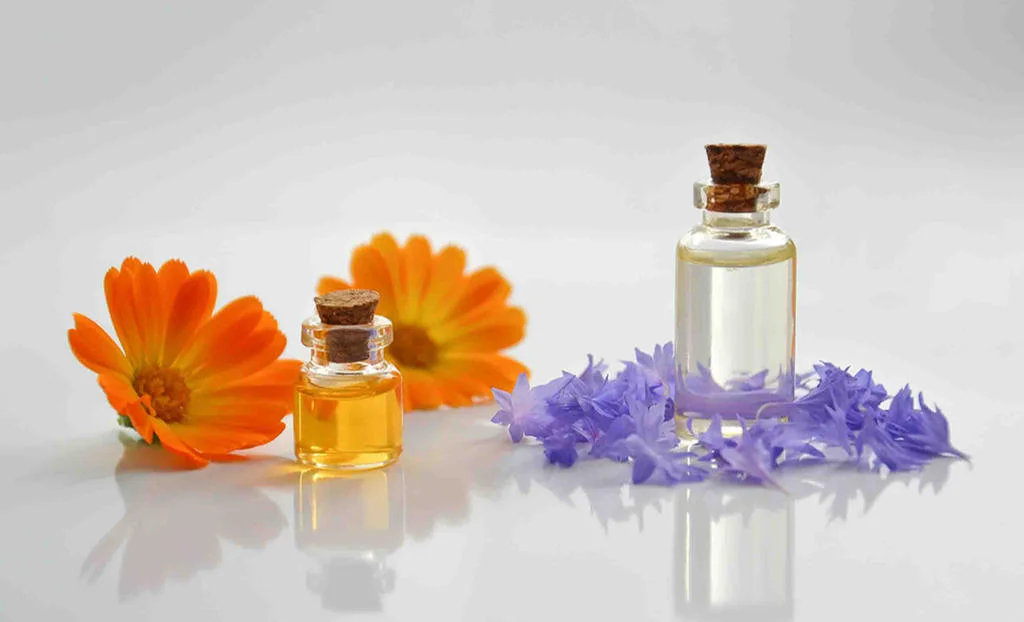
Natural oils remain cornerstone raw materials in hair care. Argan oil is rich in vitamin E and fatty acids, making it excellent for moisturizing and frizz control. Coconut oil penetrates the hair shaft better than any other oil due to its unique molecular structure. Jojoba oil closely mimics the scalp natural sebum, while shea butter provides deep conditioning for dry, damaged hair. Silicones such as dimethicone and cyclomethicone create a protective coating on the hair, adding shine and reducing breakage.
Humectants and Moisturizers
Humectants attract moisture from the environment into the hair shaft. Glycerin is the most widely used humectant in hair care, prized for its effectiveness and low cost. Panthenol (pro-vitamin B5) penetrates the hair shaft, attracting moisture and adding volume. Hyaluronic acid, once reserved for skincare, has become a premium ingredient in high-end hair products for its exceptional moisture-binding capabilities.
Preservatives and Stabilizers
Preservatives are critical raw materials that ensure product safety and shelf life. Parabens have fallen out of favor due to consumer concerns, leading to increased use of alternatives such as phenoxyethanol, ethylhexylglycerin, and benzyl alcohol. Natural preservative systems using grapefruit seed extract and rosemary extract are also gaining traction in natural and organic product lines.
Conclusion
The raw materials used in hair care products continue to evolve, driven by consumer demand for safer, more effective, and more sustainable ingredients. Manufacturers who understand these materials and their interactions can create products that truly deliver on their promises. As the industry moves toward cleaner formulations, the thoughtful selection of raw materials will become increasingly important.
Lastest News
-
📄How Keratine Queen supports an international private-label founder in developing a thoughtful, naturally minded beauty line.
-
 How Hair Conditioners Work: The Chemistry Behind Soft, Manageable Hair
 -
 The Science of Protein Hair Treatments: Repairing Damage from Within
 -
 Natural Oils for Hair Health: A Comprehensive Guide to Botanical Ingredients
 -
 Understanding Hair Porosity: The Key to Choosing the Right Hair Products